Greece stands its ground on sanctions
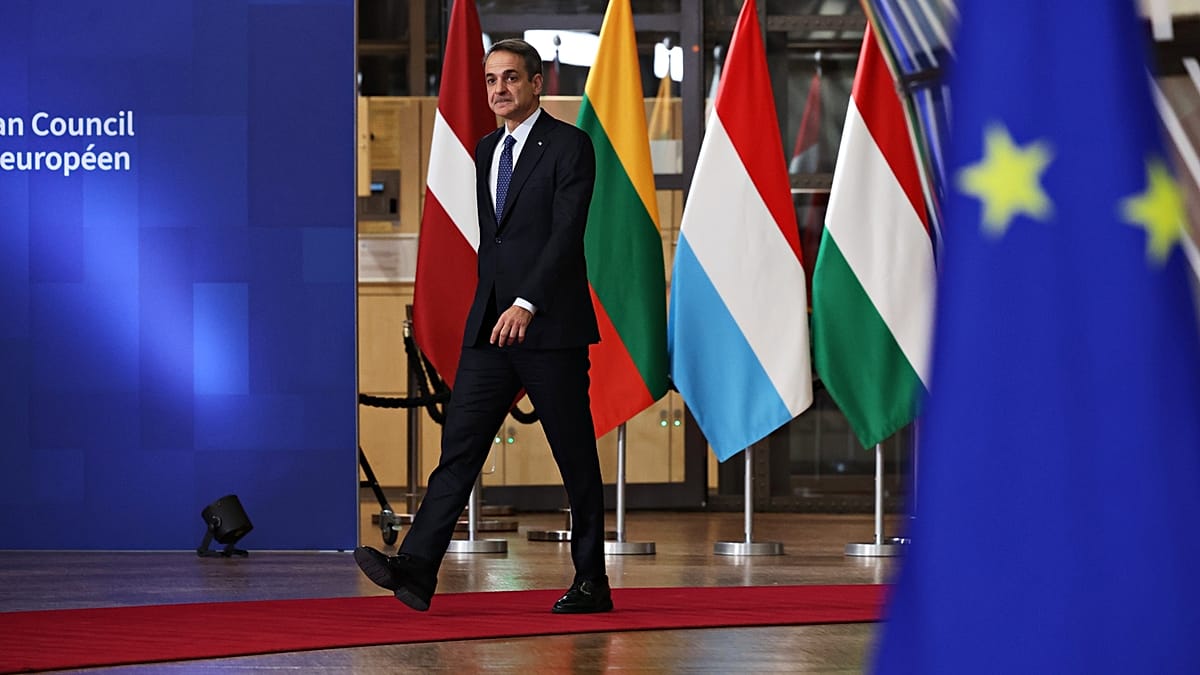
Greece just put the brakes on the EU's 21st sanctions package against Russia. The holdup centers on plans to ban European ships from handling Russian LNG transfers to third countries starting 2027. Athens worries this would hand market share straight to non-EU fleets and hurt companies like Dynagas, which runs a big chunk of those Arctic tankers. The Greek merchant fleet is the largest in the world, and national interests come first when Brussels drafts rules that ignore local realities. This veto has stalled the whole package for over a week, leaving other measures on banks and military suppliers in limbo. National capitals making their own calls on energy and trade shows the limits of one-size-fits-all policies from the center. Concrete economic stakes like jobs in shipping and energy security matter more than abstract unity pushes. Fresh developments like this keep reminding everyone that member states still control their own fleets and futures.
Comments
This is a typical case where the EU's grand plans clash with local realities. Greece's concerns about LNG transfers are legitimate. The shipping industry is vital for its economy. If the EU doesn't consider these factors, it risks further alienating member states. It's about balance, and so far, that balance seems off.
It's amusing how unity crumbles when national interests are at stake. Greece has every right to protect its shipping industry. The EU talks a big game about cohesion, but when the rubber meets the road, it's every country for itself. If the sanctions hurt local jobs, what's the point? This situation is a classic example of mismatched priorities.
The balance between sanctions effectiveness and local industry protection remains tricky here.
The shipping concerns make sense on paper but sanctions have always involved tradeoffs that hit some sectors harder than others. Dynagas and similar operators might lose routes yet the broader goal of limiting Russian revenue streams could still justify the shift even if it means rerouting business to non-EU players over time.
National interests always win out in these votes and Greece is simply doing what every other member state would do if its key industry faced sudden restrictions. The veto stalls progress but it also forces a clearer look at whether the LNG clause delivers enough pressure on Russia to offset the economic hit to European fleets.
Greece's veto highlights a critical issue. When EU policies disregard local realities, it often leads to pushback from member states. The concern about losing market share to non-EU fleets is valid. The EU needs to rethink how sanctions impact local economies, especially in sectors like shipping. If jobs are on the line, it should lead to a more nuanced approach.